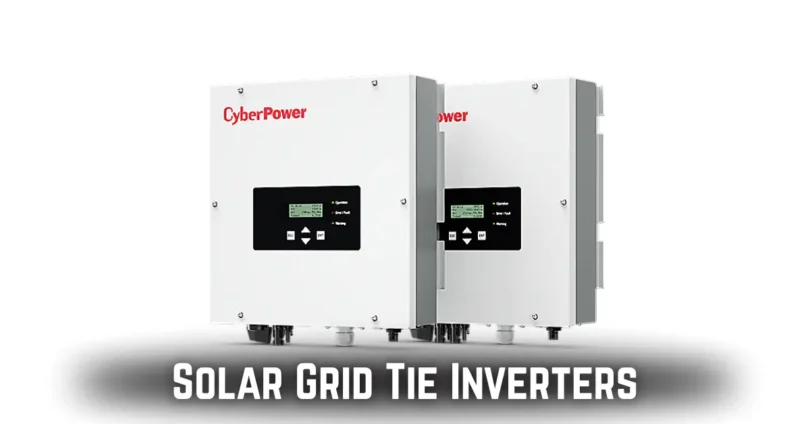
Solar energy is becoming a popular choice for homeowners and businesses looking to save on electricity costs while reducing their carbon footprint. One key component in a solar energy system is the solar grid tie inverter.
A solar grid tie inverter helps convert the direct current (DC) electricity generated by solar panels into alternating current (AC), which can be used by household appliances and fed into the electrical grid. In this article, we’ll explain how solar grid tie inverters work, their benefits, and what to look for when choosing the right one for your needs.
What Are Solar Grid Tie Inverters?
Definition of Solar Grid Tie Inverters:
- A solar grid tie inverter is a device that converts the direct current (DC) electricity produced by solar panels into alternating current (AC) electricity.
- This AC electricity is what powers most home appliances and can be sent into the electrical grid.
How Solar Grid Tie Inverters Work:
- Converting DC to AC: Solar panels generate DC power when sunlight hits them. The inverter changes this DC power into AC power, which is needed by your home.
- Synchronization with the Grid: Once the inverter converts DC to AC, it synchronizes with the grid’s voltage and frequency, ensuring a smooth flow of electricity.
- Feeding Back Excess Power: If your solar system generates more electricity than you use, the excess can be sent back to the grid, often earning you credits or payments from the utility company.
Role in Connecting Solar Systems to the Electricity Grid:
- Linking Solar Power to the Grid: The solar grid tie inverter ensures that your solar system can connect and work in harmony with the public power grid.
- Energy Exchange: It allows you to send any extra power back to the grid, helping reduce overall electricity demand and contributing to renewable energy usage.
- Grid Compliance: The inverter also ensures that the power it sends to the grid meets the necessary standards, maintaining safety and stability for both your home and the grid.
How Solar Grid Tie Inverters Work
Basic Working Mechanism:
- DC Input from Solar Panels: Solar panels capture sunlight and convert it into DC (direct current) electricity.
- Conversion to AC: The solar grid tie inverter then converts this DC power into AC (alternating current), which is the type of electricity used in homes and businesses.
- Power Flow: The inverter ensures the converted AC electricity flows to your appliances or to the grid if there’s excess power.
Grid Connection and Synchronization:
- Connecting to the Grid: Once the inverter converts DC to AC, it sends the electricity to the grid or your home, depending on your energy usage.
- Synchronization with Grid Voltage: The inverter automatically synchronizes the output power with the voltage and frequency of the grid to prevent fluctuations.
- Seamless Integration: This synchronization allows the solar power to be used immediately in your home or be sent to the grid without any disruptions.
Safety Features:
- Anti-Islanding Protection: In the event of a power outage, the inverter automatically shuts off to prevent electricity from flowing back into the grid (which could pose risks to utility workers).
- Overload Protection: Solar grid tie inverters are designed to handle overloads safely, preventing damage to both the inverter and the connected grid.
- Ground Fault Detection: Inverters often include systems to detect faults in the electrical system and shut down automatically to prevent accidents.
Benefits of Solar Grid Tie Inverters
Energy Savings:
- Reduce Electricity Bills: Solar grid tie inverters help convert solar energy into usable power, reducing the need to purchase electricity from the utility company.
- Feed Excess Power to the Grid: Any extra power your system generates can be sent back to the grid, earning you credits or payments from the utility provider.
- Net Metering: Many areas offer net metering, where you only pay for the difference between the electricity you use and the excess power you send to the grid.
Environmental Impact:
- Contribute to Green Energy: By using solar power, solar grid tie inverters help reduce the reliance on fossil fuels, which lowers greenhouse gas emissions.
- Support Sustainable Energy Use: The more solar energy we generate, the less we depend on polluting energy sources, making the planet cleaner.
- Renewable Energy Source: Solar power is renewable and doesn’t run out, so it’s a sustainable way to meet growing energy needs without harming the environment.
Easy Integration with the Grid:
- Automatic Supply to the Grid: Solar grid tie inverters automatically connect and send excess energy to the grid when your system generates more power than you need.
- Seamless Balance with Demand: They ensure the solar system’s output matches the grid’s voltage, making the transition between solar power and grid power smooth and efficient.
- No Manual Intervention Needed: Once set up, the inverter manages the power flow without the need for constant adjustments or monitoring.
Low Maintenance:
- Fewer Moving Parts: Solar grid tie inverters are built with fewer moving parts, which means there’s less to break or wear down.
- Long Lifespan: These inverters typically have a long lifespan (10-15 years) and require minimal maintenance, reducing overall costs.
- Easy Monitoring: Many models offer real-time monitoring, allowing you to easily check performance and identify issues before they become major problems.
Key Features to Look for in Solar Grid Tie Inverters
Efficiency Ratings:
- High Conversion Efficiency: Choose inverters with high efficiency ratings (typically 95% and above) to ensure maximum energy is converted from DC to AC.
- Less Power Loss: Higher efficiency means less energy is lost during conversion, giving you more usable electricity.
- Improved Performance: Efficient inverters ensure that your solar system performs at its best, even under low light conditions or varying temperatures.
Size and Capacity:
- Match with Solar Panel System: The inverter’s size and capacity should match the output of your solar panel system to ensure all the generated power is converted properly.
- Overloading Prevention: Ensure the inverter can handle the maximum power your system might produce, avoiding overloading or inefficient performance.
- Proper Sizing for Your Needs: It’s important to choose an inverter that suits your energy consumption, whether it’s for a small home or a larger business setup.
Reliability and Warranty Options:
- Long-Term Reliability: Look for inverters known for their reliability and durability, as this will reduce the risk of breakdowns and costly repairs.
- Warranty Coverage: A solid warranty (typically 5-10 years) offers peace of mind, covering repairs or replacement in case the inverter fails.
- Brand Reputation: Opt for reputable brands with positive reviews to ensure you’re investing in a high-quality product.
Monitoring Capabilities:
- Real-Time Data: Many inverters offer monitoring features that let you track how much power your system is generating at any given time.
- Remote Monitoring: Some models allow you to monitor the system remotely through a mobile app or web portal, so you can check performance from anywhere.
- Troubleshooting and Alerts: With monitoring capabilities, you can receive alerts if there’s a drop in performance, helping you quickly identify and fix any issues.
Types of Solar Grid Tie Inverters
String Inverters:
- Definition: A string inverter is a central inverter that connects a series (or “string”) of solar panels together to convert their combined DC power into AC power.
- Pros:
- Cost-Effective: Typically the least expensive type of inverter, making them a popular choice for large residential or commercial systems.
- Simple Design: Fewer components mean less complexity in installation and maintenance.
- Cons:
- Reduced Performance with Shading: If one panel in the string is shaded or malfunctioning, it can affect the performance of all panels in the string.
- Limited Flexibility: Less ideal for systems with panels facing different directions or angles.
Microinverters:
- Definition: Microinverters are small inverters installed on each individual solar panel to convert DC to AC power at the panel level.
- Pros:
- Independent Panel Operation: Since each panel has its own inverter, shading or panel issues don’t affect the rest of the system.
- Improved Performance: Microinverters can increase overall system efficiency, especially for roofs with partial shading.
- Cons:
- Higher Initial Cost: Microinverters are more expensive than string inverters, making them less affordable for larger systems.
- More Maintenance Required: With more inverters, there’s a higher chance of needing individual repairs over time.
Power Optimizers:
- Definition: Power optimizers are similar to microinverters but are installed at each panel to optimize its DC output before sending it to a central string inverter.
- Pros:
- Improved Efficiency: They optimize the output of each panel, reducing losses due to shading or panel mismatch.
- Cost-Effective Alternative: Cheaper than microinverters but still offer enhanced performance like microinverters.
- Cons:
- Requires a String Inverter: Unlike microinverters, power optimizers still need a central string inverter to convert DC to AC.
- Not as Flexible as Microinverters: While they improve performance, they don’t provide the full independence of microinverters.
Choosing the Right Solar Grid Tie Inverter
Factors to Consider:
- System Size:
- Ensure the inverter is matched to the size of your solar panel system. The inverter should handle the maximum output your system can produce.
- Larger systems with more panels may require more powerful inverters or multiple smaller inverters (e.g., microinverters or optimizers).
- Budget:
- Determine how much you’re willing to spend on the inverter. While microinverters and power optimizers offer better performance, they come at a higher cost.
- Balance your budget with the efficiency and longevity of the inverter to get the best value for your investment.
- Brand Reputation:
- Choose inverters from well-known, reliable brands. Reputable manufacturers often provide better warranties, customer support, and more durable products.
- Research customer reviews and industry ratings to ensure you’re selecting a product with a solid track record.
Tips for Selecting the Best Model:
- Consider Your Roof Layout:
- If your panels face different directions or angles, microinverters or power optimizers are ideal, as they maximize output from each panel individually.
- If your roof has little shading and the panels are all facing the same direction, a string inverter may be the most cost-effective option.
- Check Warranty and Support:
- Look for inverters with long warranty periods (usually 10-15 years), as they will likely last longer and provide peace of mind.
- Make sure the brand offers good customer support, so you can easily resolve any issues if they arise.
- Monitor Energy Production:
- Consider inverters that offer monitoring features, so you can track your energy production in real-time. This will help you identify and address issues quickly.
- Some inverters come with apps or web portals for easy monitoring, which is especially useful for remote locations or large systems.
- Think About Future Expansion:
- If you plan to expand your solar system in the future, choose an inverter that can handle additional panels without needing a full replacement.
- Inverters with scalable capabilities or multiple connection options can save you money in the long term if you decide to grow your system.
Common Issues with Solar Grid Tie Inverters
Inverter Failure:
- Problem: Inverters may stop working due to internal malfunctions, overheating, or wear and tear over time.
- Possible Causes:
- Power surges or voltage spikes
- Old or faulty components
- Inverter failure due to manufacturing defects
- Troubleshooting Steps:
- Check for Error Codes: Most modern inverters have a display that shows error codes, which can help identify the issue.
- Inspect Power Supply: Ensure the inverter is properly connected to the power supply and is receiving adequate voltage.
- Reset the Inverter: Try resetting the inverter by turning it off and back on to see if the issue resolves.
Grid Disconnection:
- Problem: The inverter may lose its connection to the grid, causing it to stop feeding excess energy back to the grid.
- Possible Causes:
- Grid power fluctuations or outages
- Inverter not properly synchronized with the grid voltage
- Faulty connection or wiring issues
- Troubleshooting Steps:
- Check Grid Voltage: Ensure that the grid voltage is stable. Power surges or drops can cause disconnection.
- Inspect Connections: Verify that the inverter’s connection to the grid is secure and that all wiring is intact.
- Contact Utility Provider: If the grid is experiencing issues, the inverter may automatically disconnect for safety. Contact the utility provider to check for outages.
Low Performance or Output:
- Problem: The inverter may not be producing enough power or may show poor efficiency.
- Possible Causes:
- Shading or dirt on solar panels
- Incorrect inverter settings or mismatched system components
- Faulty inverter components
- Troubleshooting Steps:
- Clean the Panels: Ensure the solar panels are free of dirt, debris, or shading, which can reduce efficiency.
- Check Inverter Settings: Review the inverter’s settings to ensure it is configured correctly for your system.
- Test the Inverter: If performance doesn’t improve, have the inverter tested by a professional to identify any internal issues.
Overheating:
- Problem: Inverters can overheat, causing shutdowns or reduced performance.
- Possible Causes:
- Poor ventilation or placement in direct sunlight
- Excessive load on the inverter
- Malfunctioning cooling system
- Troubleshooting Steps:
- Improve Ventilation: Make sure the inverter is installed in a well-ventilated area, away from heat sources.
- Reduce System Load: Ensure the inverter is not overloaded by checking the power input and output levels.
- Check for Dust Buildup: Dust accumulation in the inverter’s cooling system can lead to overheating. Clean any dust from vents or fans.
Conclusion
Solar grid tie inverters are essential for converting solar energy into usable power and connecting your system to the grid. While they are generally reliable, issues like inverter failure, grid disconnection, and performance drops can sometimes occur.
By understanding these common problems and following simple troubleshooting steps, you can quickly address most issues and keep your solar system running efficiently. Regular maintenance and proper installation will help ensure your inverter performs at its best for years to come.Select 21 more words to run Humanizer.
FAQs on Solar Grid Tie Inverters
What is a solar grid tie inverter?
A solar grid tie inverter converts the DC electricity produced by solar panels into AC electricity, which can be used in your home or sent back to the electrical grid.
How does a solar grid tie inverter work?
It takes the direct current (DC) from solar panels, converts it to alternating current (AC), and either powers your home or sends excess energy to the grid.
Can a solar grid tie inverter work during a power outage?
No, most solar grid tie inverters are designed to shut down during a power outage to protect utility workers. This is known as “anti-islanding” protection.
How long do solar grid tie inverters last?
On average, a solar grid tie inverter lasts about 10-15 years, but regular maintenance and proper care can help extend its lifespan.
What are the benefits of using a solar grid tie inverter?
They help reduce electricity bills by using solar energy, contribute to green energy, and offer easy integration with the electrical grid. They also require less maintenance compared to other systems.
How do I know if my solar grid tie inverter is working properly?
Check for error codes or monitor your energy output regularly. If you notice a drop in performance or no output, the inverter may need attention.
What should I do if my inverter stops working?
First, check for any error codes or connection issues. If the problem persists, you may need to reset the inverter or contact a professional for repairs.