Electricity bills in the USA are getting higher every year. Many homeowners are now looking for ways to save money and use clean energy at the same time. Solar power has become one of the most popular options for this.
But the big question is simple. is solar worth it in 2026 USA for regular homeowners or not? People want to know if the investment really pays off or if it is just hype. is solar worth it in 2026 USA depends on your location, energy use, and setup costs.
In this article, we will break everything down in simple words. You will learn the real costs, savings, benefits, and challenges so you can decide with confidence.
What Solar Energy Means Today
Simple Explanation of Solar Power
- Solar energy comes from sunlight and turns it into electricity.
- It uses solar panels placed on roofs or open spaces.
- This electricity can run lights, fans, AC, and home appliances.
- It is clean energy because it does not burn fuel.
Solar power today is seen as a smart way to reduce electricity bills and use natural energy.
How Home Solar Systems Work (Easy Terms)
- Solar panels capture sunlight during the day.
- The sunlight is converted into direct electricity.
- An inverter changes it into usable home power.
- Extra power can be stored in batteries or sent back to the grid.
Example: On a sunny day, your home can run AC and fridge directly from solar power instead of grid electricity.
Why More USA Homes Are Switching to Solar
- Electricity bills are rising every year.
- Solar helps homeowners save money in the long run.
- Government support and tax credits make solar cheaper.
- People want clean and eco-friendly energy options.
Example: A family in a sunny state installs solar panels and reduces their monthly bill by a big amount over time.
Is solar worth it in 2026 USA?
Direct Answer (Yes or No with Conditions)
- Yes, solar is worth it in many cases in the USA.
- It works best when electricity bills are high.
- It works best in sunny states with good roof space.
- It may not be worth it if your usage is very low or setup costs are too high.
Simple idea: Solar is worth it when savings are more than the installation cost over time.
When is solar worth it in 2026 USA?
High Electricity Bills
- Solar helps reduce monthly power costs.
- Bigger bills mean faster savings.
- Example: Homes using AC daily save more money.
- It improves long-term financial benefit.
Good Sunlight Location
- Homes in sunny states get better results.
- More sunlight means more power generation.
- Example: Open rooftops work better than shaded areas.
- System efficiency becomes higher.
Long-Term Home Ownership
- Solar is better if you plan to stay in your home.
- It takes a few years to recover investment.
- After that, electricity becomes mostly free.
- Long stay increases total savings.
Access to Tax Credits and Incentives
- Government support reduces upfront cost.
- Tax credits make solar more affordable.
- Local programs may add extra savings.
- This improves return on investment.
When is solar not worth it in 2026 USA?
Low Electricity Usage
- Small bills reduce savings impact.
- Payback takes too long in low usage homes.
- Solar system may not recover cost quickly.
- It becomes less financially useful.
High Installation Cost Without Incentives
- Some homes face expensive setup costs.
- No rebates reduce overall benefit.
- Payback period becomes longer.
- It may not fit tight budgets.
Shaded Roof or Poor Location
- Trees or buildings block sunlight.
- Power generation becomes weak.
- System efficiency drops significantly.
- Savings reduce over time.
Short-Term Living Plans
- Selling house early limits savings benefit.
- Investment needs time to recover.
- New owners may not value the system fully.
- Financial return becomes uncertain.
Cost of Installing Solar Panels in the USA
Average System Cost for Homes
- The cost depends on home size and energy use.
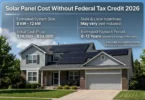
- Most home solar systems cost a few thousand to over ten thousand dollars.
- Bigger homes need more panels, so cost increases.
- Location and sunlight level also affect total price.
Simple idea: More energy use means more panels, which means higher cost.
Installation and Equipment Breakdown
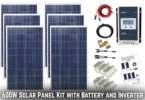
Solar Panels
- These capture sunlight and make electricity.
- High-quality panels cost more but last longer.
- They are the main part of the system.
- More panels increase total energy output.
Inverter System
- It changes solar power into usable home electricity.
- Without it, solar energy cannot run appliances.
- It is a key part of every solar setup.
- Better inverters improve system performance.
Battery Storage (Optional)
- Stores extra energy for night use.
- Helpful during power cuts or low sunlight days.
- Adds extra cost to the system.
- Not all homes choose batteries.
Installation Charges
- Includes labor and setup work.
- Depends on roof type and complexity.
- Higher for difficult installations.
- Lower for simple roof designs.
Incentives, Tax Credits, and Rebates
Federal Tax Credit
- Reduces total installation cost.
- Homeowners can claim part of their spending back.
- Makes solar more affordable overall.
- One of the biggest savings benefits.
State-Level Rebates
- Some states offer extra discounts.
- Helps reduce upfront cost further.
- Varies by location.
- Can make solar much cheaper.
Net Metering Benefits
- Extra electricity goes back to the grid.
- Homeowners get credits on bills.
- Reduces monthly electricity cost.
- Improves long-term savings.
Monthly Savings and Payback Period
How Much Users Save on Electricity Bills
- Solar power reduces monthly electricity bills.
- Savings depend on system size and sunlight.
- High usage homes save more money every month.
- Some homes reduce bills by a large percentage.
Simple idea: More sunlight and more usage mean higher savings.
Real-Life Example of Monthly Savings
- A medium home uses a lot of electricity for AC, fridge, and lights.
- Solar system can cut a big part of the bill.
- Monthly savings can grow over time as energy prices rise.
- Net metering can add extra savings through credits.
Example: A family using heavy cooling may reduce a large portion of their monthly bill after installing solar panels.
Average Time to Recover Investment (Payback Period)
Standard Payback Time
- Most homes recover cost in a few years.
- Faster recovery in sunny areas.
- Higher electricity bills reduce payback time.
- Incentives also speed up recovery.
What Affects Payback Period
- System size and installation cost.
- Electricity usage at home.
- Local solar incentives and rebates.
- Sunlight availability in your area.
Simple idea: Higher savings each month means faster recovery of your solar investment.
Real-Life Payback Example
- A home installs a full solar system.
- The system reduces most of the monthly electricity bill.
- Savings build up every month.
- After a few years, total savings equal the system cost.
After payback, electricity becomes almost free for many years.
Benefits of Going Solar
Lower Electricity Bills
- Solar power reduces your monthly electricity cost.
- You use your own generated power during the day.
- Extra energy can lower your grid usage.
- Long-term savings grow over time.
Simple idea: Less grid power means smaller bills every month.
Energy Independence
- Solar gives you your own power source.
- You depend less on utility companies.
- Power supply becomes more stable for your home.
- You gain more control over your electricity use.
Example: Your home still gets power even when grid prices increase.
Eco-Friendly Lifestyle
- Solar energy does not produce air pollution.
- It reduces dependence on fossil fuels.
- It helps keep the environment cleaner.
- It supports a greener future for everyone.
Simple idea: You save money and also help the planet.
Protection from Rising Energy Prices
- Electricity prices often increase over time.
- Solar helps lock in your energy cost.
- You produce your own electricity instead of buying it.
- This gives long-term financial stability.
Example: Even if utility rates go up, your solar system keeps working at the same cost level.
Challenges You Should Know
High Upfront Cost
- Solar systems need a big initial investment.
- Panels, inverter, and installation add to total cost.
- Not all homeowners can afford it easily.
- Even with savings, the start can feel expensive.
Simple idea: You pay more at the start before you start saving later.
Weather and Location Limits
- Solar works best in sunny areas.
- Cloudy or rainy regions produce less energy.
- Shaded roofs reduce system performance.
- Seasonal changes can affect output.
Example: A home with heavy shade may get lower savings than a sunny rooftop home.
Maintenance and Roof Condition Issues
Panel Cleaning and Care
- Dust and dirt can reduce efficiency.
- Panels need occasional cleaning.
- Maintenance is usually simple but important.
- Regular checks keep performance stable.
Roof Condition Problems
- Weak or old roofs may not support panels.
- Roof repairs can delay installation.
- Installation may increase roof stress.
- Good roof condition is important for safety.
Simple idea: A strong roof and basic care help solar work better for many years.
Is solar worth it in 2026 USA for Homeowners?
Focus on Residential Users
- Solar works best for homeowners with stable electricity use.
- Houses with high monthly bills get more savings.
- Rooftop space plays a big role in performance.
- Long-term homeowners benefit the most from solar.
Simple idea: If you use more electricity at home, solar gives better value.
Best States for Solar Benefits
- Sunny states produce more solar energy.
- High sunlight improves savings and efficiency.
- States with strong incentives reduce total cost.
- Net metering policies increase monthly benefits.
Examples of strong solar-friendly areas include sunny and high-incentive regions where homes get better returns.
Who Should Seriously Consider It
High Electricity Users
- Homes with AC, heaters, and heavy appliances.
- Monthly bills are high and keep rising.
- Solar reduces long-term expenses.
- Savings build up quickly over time.
Long-Term Homeowners
- People planning to stay many years in one home.
- Enough time to recover installation cost.
- Strong return on investment over time.
- Better long-term financial value.
Homes with Good Roof Space
- Large and open rooftops work best.
- No heavy shade from trees or buildings.
- Roof is strong and in good condition.
- Easier installation and better output.
Simple idea: Solar is most useful when your home is stable, sunny, and high in energy use.
Solar Financing Options in the USA
Cash Purchase
- You pay the full system cost at once.
- No monthly payments are needed.
- You get the highest long-term savings.
- Ownership is fully yours from day one.
Simple idea: You spend more upfront but save more over time.
Solar Loans
- You borrow money to install solar panels.
- You pay monthly installments like a home loan.
- You still get ownership of the system.
- Savings on bills help balance loan payments.
Example: Your electricity bill drops, and that savings helps you pay the loan each month.
Leasing and Power Purchase Agreements (PPA)
Solar Leasing
- You rent the solar system from a company.
- You pay a fixed monthly fee.
- Maintenance is handled by the provider.
- You do not fully own the system.
Power Purchase Agreement (PPA)
- You pay only for the electricity you use.
- Rate is usually lower than utility prices.
- Company owns and maintains the system.
- Savings depend on usage and agreement terms.
Simple idea: Leasing and PPAs reduce upfront cost but also reduce ownership benefits.
Tips to Make Solar More Worth It
Compare Multiple Installers
- Always check more than one solar company.
- Prices and service quality can vary a lot.
- Ask for full cost breakdown before deciding.
- Read reviews and past customer feedback.
Simple idea: More options help you avoid overpaying.
Check Sunlight Exposure
- Good sunlight increases energy production.
- Roof direction and angle matter a lot.
- Avoid heavy shade from trees or buildings.
- More sun means faster savings.
Example: A sunny open roof gives better results than a shaded one.
Use Government Incentives Properly
- Tax credits reduce total installation cost.
- Some states offer extra rebates.
- Net metering can lower electricity bills.
- Always check available programs before buying.
Simple idea: Incentives can make solar much cheaper.
Choose the Right System Size
- System should match your electricity use.
- Small systems may not cover full needs.
- Oversized systems can increase extra cost.
- Proper sizing improves savings and performance.
Example: A medium home should avoid both underpowered and overly large systems.
Conclusion
Solar energy can be a smart choice for many homes in the USA. It helps reduce electricity bills, gives more energy control, and supports a cleaner environment. But the real value depends on your location, sunlight, and setup cost.
If you have good roof space, high electricity use, and plan to stay in your home for years, solar can be a strong investment. At the same time, it may not suit every situation, especially if costs are too high or sunlight is limited.
The key is simple. Check your needs, compare options, and make a clear decision based on your home, not just trends.