This guide explains how many solar panels do I need for my home, covering key factors like electricity usage, roof space, panel wattage, and sunlight. You’ll learn simple calculation steps, tips to reduce energy needs, and common mistakes to avoid. With real examples and cost insights, homeowners can plan an efficient solar system and choose the right installer for long-term savings.
Did you know the average U.S. household spends over $1,500 a year on electricity? That’s a lot of money leaving your wallet. You might be asking yourself, how many solar panels do I need for my home to cut this cost. Here is the thing: figuring out the right number of panels isn’t guesswork. It depends on your energy use, roof size, and even the direction your house faces.
By the end of this guide, you’ll know how to calculate your home’s solar needs, understand the factors that affect panel count, and see real examples from typical homes. You’ll be ready to make informed decisions before investing in a solar system.
How Many Solar Panels Do I Need for My Home Based on My Electricity Usage?
The number of solar panels you need depends mainly on how much electricity your home uses each year. Most U.S. homes need between 15 and 30 solar panels to cover their energy needs.
Here is the thing: two homes can be the same size but need a completely different number of panels. Your monthly electricity usage tells the real story.
Why Your Annual Electricity Consumption Matters
Your solar system should produce enough electricity to match what you use throughout the year. That’s why energy usage is the first number solar installers look at.
If your home uses 10,800 kilowatt hours per year, you’ll need a larger system than a home that uses 6,000 kilowatt hours.
How to Find Your Energy Usage on Utility Bills
Your electricity bill contains the information you need.
- Check your last 12 months of electricity bills.
- Add the monthly kilowatt hour usage together to find your annual consumption.
- Look for the section labeled “kWh Used” or “Energy Usage.”
- Most utility companies clearly show this number on every bill.
- Use your online utility account if available.
- Many providers offer yearly energy reports that save you time.
Average U.S. Household Energy Consumption
According to national energy data, the average American home uses around 10,500 to 11,000 kilowatt hours per year.
- A home using 6,000 kWh annually may need around 15 panels.
- This estimate assumes 400 watt solar panels and good sunlight conditions.
- A home using 11,000 kWh annually may need around 27 panels.
- This is a common range for medium sized family homes in the United States.
- A home using 15,000 kWh annually may need 35 or more panels.
- Homes with electric vehicles or large air conditioning systems often fall into this category.
Think about it this way. The more electricity you use, the more solar energy you must generate to offset those costs.
What Factors Determine How Many Solar Panels You Need?
Several factors affect the number of solar panels required. Electricity usage is important, but roof space, sunlight, panel efficiency, and shading also play a major role.
Let me explain. Two homeowners with identical energy bills may still need different system sizes because their homes receive different amounts of sunlight.
Monthly Energy Usage
Your electricity consumption is the biggest factor.
- Higher energy use requires more solar production.
- A household running multiple air conditioners will need more panels than a smaller household.
- Future energy needs should be considered.
- If you’re planning to buy an electric vehicle, your energy demand will likely increase.
Solar Panel Wattage and Efficiency
Not all solar panels produce the same amount of power.
- A 450 watt panel generates more electricity than a 350 watt panel.
- This means you may need fewer panels to achieve the same output.
- High efficiency panels can save roof space.
- They produce more power from the same area compared to standard panels.
Available Roof Space
Roof size can limit how many panels you can install.
- Most residential solar panels take up about 17 to 21 square feet.
- A 25 panel system may require more than 400 square feet of roof space.
- Limited roof space may require higher efficiency panels.
- This helps maximize energy production from a smaller area.
Sunlight Hours in Your Location
Solar production changes depending on where you live.
- States like Arizona and Nevada receive strong sunlight throughout the year.
- Homeowners often need fewer panels to produce the same amount of electricity.
- States with less sunlight may require larger systems.
- Solar panels still work there, but overall production is lower.
Roof Direction and Angle
The position of your roof affects solar output.
- South facing roofs typically generate the most electricity.
- They receive sunlight for longer periods during the day.
- Roofs facing east or west can still work well.
- They may simply require a few additional panels.
Shading From Trees and Buildings
Shade can significantly reduce solar production.
- Large trees can block sunlight for several hours each day.
- Even partial shade can lower system performance.
- Nearby buildings may create seasonal shading issues.
- A professional solar assessment can identify these challenges before installation.
How Do You Calculate the Number of Solar Panels Needed for Your Home?
You can estimate the number of solar panels by dividing your annual electricity needs by the expected energy production of each panel. This simple calculation provides a useful starting point.
The truth is, professional installers use advanced software, but homeowners can still get a reliable estimate with a few basic numbers.
Step 1: Determine Annual Electricity Usage
Find your total electricity consumption for the last 12 months.
- Review all utility bills from the previous year.
- Add the monthly kilowatt hour figures together for an accurate total.
- Use actual usage data instead of estimates.
- Real numbers produce a more accurate solar calculation.
Step 2: Estimate Required Solar System Size
Convert your yearly electricity usage into the solar system size needed.
- A home using 10,800 kWh annually typically needs about an 8 kW solar system.
- Actual requirements vary based on local sunlight conditions.
- Solar installers often adjust system size for efficiency losses.
- This accounts for weather, wiring, and inverter performance.
Step 3: Divide System Size by Panel Wattage
Next, determine how many panels are needed.
- If you choose 400 watt panels, divide 8,000 watts by 400.
- The result is 20 solar panels.
- If you choose 450 watt panels, divide 8,000 watts by 450.
- The result is about 18 panels.
Simple Solar Panel Calculation Formula
You can use this formula as a quick estimate:
- Number of Panels = Required System Size in Watts ÷ Panel Wattage
- This formula gives a practical starting point before getting professional quotes.
Real Example for a Typical U.S. Home
Let’s use a real example.
A homeowner uses 10,800 kWh of electricity per year and plans to install 400 watt solar panels.
- The required system size is approximately 8,000 watts.
- This size can offset most of the home’s annual electricity usage.
- Dividing 8,000 by 400 gives 20 panels.
- In practice, the final number may be slightly higher based on roof conditions and sunlight availability.
How Many Solar Panels Do Different Home Sizes Typically Need?
The number of solar panels depends heavily on the size of your home and your energy use. Small homes may need 10 to 15 panels, while large homes often require 30 or more.
Small Homes and Apartments
Smaller homes use less electricity, so fewer panels are needed.
- A 1,000 square foot apartment using 6,000 kWh per year may need around 15 panels.
- This assumes 400 watt panels and good sunlight conditions.
- Compact homes often have limited roof space.
- Using high efficiency 450 watt panels can reduce the number of panels needed.
Medium-Sized Family Homes
Medium-sized homes require more energy and more panels.
- A 2,000 square foot home using 11,000 kWh per year typically needs 25 to 27 panels.
- This covers most of the electricity demand without oversizing the system.
- Homes with multiple bedrooms and full-time occupancy usually consume more electricity.
- Air conditioning, laundry, and electronics add to the total load.
Large Homes With Higher Energy Demand
Bigger homes often need large solar systems to cover electricity use.
- A 3,500 square foot home using 15,000 kWh per year may need around 35 to 38 panels.
- Homes with electric heating or several air conditioners fall into this range.
- Extra panels may be needed if the homeowner plans to charge electric vehicles.
- EV charging can increase energy use by 1,000 to 3,000 kWh annually.
Homes With Electric Vehicles
Electric vehicles increase your energy needs and panel count.
- Charging a standard EV adds around 3,000 kWh per year.
- This might require an additional 7 to 8 solar panels for full coverage.
- Homeowners should plan solar systems with future EV use in mind.
- Adding panels later can be more expensive than sizing correctly upfront.
How Does Solar Panel Wattage Affect the Number of Panels Required?
Higher wattage panels produce more electricity, so you may need fewer panels. Choosing the right panel wattage can save roof space and installation costs.
350-Watt Solar Panels
Lower wattage panels produce less energy per unit.
- A home needing an 8,000 watt system would require 23 panels of 350 watts.
- This works, but it takes more roof space compared to higher wattage panels.
- They are often less expensive upfront but can crowd small roofs.
- Homeowners with limited space may struggle to fit enough panels.
400-Watt Solar Panels
400 watt panels are the most common choice for U.S. homes.
- The same 8,000 watt system would need 20 panels of 400 watts.
- This balances efficiency, cost, and roof coverage for most homes.
- Medium-sized roofs usually accommodate these panels easily.
- They produce enough electricity without overloading the roof.
450-Watt and High-Efficiency Panels
High-efficiency panels produce more energy in less space.
- For an 8,000 watt system, you only need 18 panels of 450 watts.
- This can fit comfortably on smaller roofs while generating the same power.
- High efficiency panels are more expensive upfront.
- They are worth it when roof space is limited or aesthetics matter.
Comparing Panel Counts by Wattage
Choosing panel wattage directly affects the number of panels you install.
- Lower wattage panels require more units and more roof space.
- For example, 23 panels of 350 watts versus 18 panels of 450 watts for the same system.
- Higher wattage panels reduce clutter and can improve overall system performance.
- They are ideal for homes with space constraints or high energy needs.
How Much Roof Space Do You Need for Solar Panels?
The amount of roof space needed depends on the number and size of panels. On average, each residential solar panel takes up about 17 to 21 square feet.
Average Space Required Per Panel
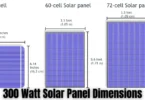
Most standard panels measure around 65 by 39 inches.
- A 400 watt panel usually occupies 18 square feet.
- Multiply by the number of panels to estimate total roof space needed.
- High efficiency panels are slightly larger but generate more power.
- For example, 450 watt panels might need 20 square feet each but reduce panel count.
Roof Space Needed for Common System Sizes
The total space depends on your solar system size.
- A 20 panel system using 400 watt panels needs around 360 square feet of roof.
- That is roughly the size of a medium two-car garage.
- A 35 panel system for a large home requires about 630 square feet.
- Homeowners need to ensure there is enough unobstructed roof area.
What to Do if Roof Space Is Limited
Limited roof space does not always prevent solar installation.
- High efficiency panels can reduce the number of panels needed.
- This helps fit a full system on smaller roofs.
- Alternative solutions include split systems or ground-mounted panels.
- These options allow homes with limited roof area to generate sufficient solar power.
Does Your State Affect How Many Solar Panels You Need?
Yes, your state can significantly affect how many solar panels you need. Homes in sunnier states often require fewer panels to produce the same amount of electricity.
The truth is, solar panels in Arizona generate more energy than identical panels in Washington because they receive more sunlight throughout the year.
High Sunlight States
States with abundant sunshine help solar panels produce more electricity.
- Arizona, Nevada, and New Mexico receive strong sunlight for much of the year.
- A homeowner may need only 18 to 20 panels to generate 10,800 kWh annually.
- Solar systems in these states often achieve higher energy output.
- This means fewer panels can meet household energy needs.
Moderate Sunlight States
Many U.S. states fall into the middle range for solar production.
- Texas, North Carolina, and Colorado offer solid solar potential.
- Homes often need 22 to 27 panels depending on electricity usage.
- Seasonal weather changes can affect production.
- Even so, solar remains highly effective in these locations.
Lower Sunlight States
States with less annual sunshine may require more panels.
- Washington, Oregon, and parts of the Northeast receive fewer peak sunlight hours.
- Homeowners may need 28 to 32 panels to offset the same energy usage.
- Solar still works effectively in these areas.
- The system simply needs to be sized appropriately.
Why Solar Production Varies Across the U.S.
Several factors affect solar energy production.
- Sunlight hours differ from state to state.
- More sunlight generally means more electricity from each panel.
- Weather patterns also play a role.
- Frequent cloud cover can reduce annual energy generation.
Can Battery Storage Change How Many Solar Panels You Need?
Yes, battery storage can affect the number of solar panels you need. Homeowners who want backup power often install extra panels to keep batteries charged.
Think about it this way. Your panels must power your home during the day and potentially charge batteries for nighttime use.
Understanding Solar Batteries
Solar batteries store excess electricity generated during the day.
- Stored energy can be used after sunset.
- This reduces dependence on the utility grid during evening hours.
- Popular home batteries often store between 10 and 15 kWh of energy.
- That amount can power essential appliances during outages.
Off Grid vs Grid Tied Systems
The type of solar setup affects system size.
- Grid tied systems usually require fewer panels.
- Homeowners can pull electricity from the utility grid when needed.
- Off grid systems require larger solar arrays and battery banks.
- The system must generate and store all required electricity independently.
When Additional Panels May Be Needed
Extra panels are often necessary when batteries are included.
- A homeowner adding a 13 kWh battery may need 3 to 5 additional panels.
- These panels help recharge the battery while meeting household demand.
- Backup power goals matter.
- Whole home backup systems typically require more solar capacity than basic emergency setups.
What Are the Costs of Installing the Number of Solar Panels You Need?
The cost depends on system size, panel quality, and installation location. Most U.S. homeowners spend between $15,000 and $35,000 before incentives.
Here is the thing: the cheapest system is not always the best value. Long term performance matters just as much as upfront cost.
Average Cost Per Solar Panel
Individual panel prices vary based on efficiency and brand.
- A residential solar panel typically costs between $250 and $500.
- Installation, wiring, permits, and equipment add to the total project cost.
- Higher efficiency panels usually cost more.
- They often save roof space and improve energy production.
Cost by System Size
Larger systems naturally cost more.
- A 6 kW solar system may cost between $15,000 and $20,000 before incentives.
- This size works well for homes with moderate electricity usage.
- A 10 kW solar system often costs $25,000 to $35,000.
- Many larger family homes fall into this range.
Federal Tax Credits and Incentives
Financial incentives can reduce overall costs.
- The federal solar tax credit can lower installation expenses significantly.
- Homeowners should verify current eligibility requirements before purchasing.
- Some states and utilities offer additional incentives.
- These programs can improve the return on investment.
Long Term Savings Potential
Solar can generate substantial savings over time.
- A homeowner saving $150 per month on electricity could save $1,800 annually.
- Over 20 years, those savings can exceed $36,000.
- Rising utility rates increase the value of solar energy.
- The longer you own the system, the greater the potential benefit.
What Common Mistakes Should Homeowners Avoid When Sizing a Solar System?
Most solar sizing mistakes happen when homeowners focus only on current electricity use. Future energy needs and site conditions are equally important.
From real use, undersized systems are one of the most common regrets among solar buyers.
Ignoring Future Energy Needs
Many people calculate based only on today’s electricity bill.
- Future purchases can increase energy demand.
- Electric vehicles, hot tubs, and home additions all require more power.
- Planning ahead prevents costly upgrades later.
- Adding a few panels now is often cheaper than expanding the system later.
Overlooking Roof Conditions
The roof itself affects solar performance.
- Older roofs may need repairs before installation.
- Replacing a roof after solar installation can be expensive.
- Roof orientation and shading matter.
- Not every section of a roof receives equal sunlight.
Choosing Panels Based Only on Price
The cheapest option is not always the smartest option.
- Low cost panels may have lower efficiency ratings.
- This can increase the number of panels required.
- Quality panels often provide stronger warranties.
- Better warranties can offer peace of mind for decades.
Skipping a Professional Solar Assessment
Online estimates are helpful but not perfect.
- Professional assessments identify shading issues.
- They also account for local weather and roof design.
- Accurate site evaluations prevent expensive surprises.
- Homeowners receive a clearer picture of expected energy production.
How Can You Reduce the Number of Solar Panels Needed?
Reducing electricity consumption can lower the number of solar panels required. Energy efficiency improvements often provide fast and noticeable results.
The truth is, using less electricity is usually cheaper than installing more panels.
Improve Home Energy Efficiency
Simple upgrades can significantly reduce energy use.
- Better insulation helps maintain indoor temperatures.
- Heating and cooling systems run less often as a result.
- Sealing air leaks prevents energy waste.
- Small gaps around windows and doors can increase utility bills.
Upgrade to Energy Efficient Appliances
Older appliances often consume more electricity.
- ENERGY STAR certified appliances use less power.
- Many homeowners notice lower utility bills after upgrading.
- Modern refrigerators and air conditioners are more efficient.
- Reduced energy demand means fewer solar panels may be needed.
Reduce Peak Energy Consumption
Small habit changes can make a difference.
- Running appliances during daylight hours uses solar power directly.
- This reduces dependence on stored or grid electricity.
- Turning off unused electronics cuts unnecessary energy waste.
- Even small savings add up over a year.
Monitor and Manage Electricity Usage
Tracking energy use helps identify waste.
- Smart energy monitors show where electricity is being consumed.
- Homeowners can quickly spot inefficient appliances.
- Monthly monitoring encourages better energy habits.
- Lower consumption often leads to a smaller solar system requirement.
How Do You Choose the Right Solar Installer for Your Home?
The right installer can make a major difference in system performance and long term satisfaction. Experience, reputation, and transparency matter more than the lowest quote.
Let me explain. A quality installer helps you avoid mistakes before they happen.
Questions to Ask Before Hiring
Always interview multiple installers before making a decision.
- Ask how many residential systems they have installed.
- Experience often leads to smoother project execution.
- Request detailed production estimates.
- Reliable installers explain how they calculated expected output.
Certifications and Experience to Look For
Professional credentials matter.
- Look for industry certifications and proper licensing.
- These qualifications demonstrate technical knowledge and compliance.
- Check how long the company has been in business.
- Established installers often provide stronger long term support.
Comparing Solar Quotes
Never choose based solely on price.
- Compare equipment quality, warranties, and projected energy production.
- A slightly higher quote may offer better long term value.
- Review customer feedback carefully.
- Consistent positive reviews often indicate reliable service.
Is a Solar Panel Calculator Accurate for Estimating Your Needs?
Solar panel calculators provide useful estimates, but they are not perfectly accurate. They work best as a starting point before getting a professional assessment.
Think about it this way. A calculator can estimate your needs, but it cannot inspect your roof.
Benefits of Online Solar Calculators
These tools make initial planning easier.
- Most calculators generate estimates within minutes.
- You only need basic information such as location and electricity usage.
- They help homeowners understand system size requirements.
- This makes early research much easier.
Limitations of Automated Estimates
Calculators cannot account for every detail.
- They may not identify roof shading issues.
- Trees, chimneys, and nearby buildings affect production.
- Weather patterns and roof angles vary widely.
- Generic estimates may differ from real world performance.
When to Get a Professional Assessment
Professional evaluations provide greater accuracy.
- Installers use specialized software and site inspections.
- These tools create more precise energy production forecasts.
- Homeowners planning a major solar investment should get expert advice.
- A professional assessment helps ensure the system is sized correctly.
Conclusion
So, in this article, we covered how many solar panels do I need for my home in detail.
You learned how to estimate the right number of panels based on energy consumption, location, roof size, and panel efficiency. We also discussed solar costs, battery storage, online calculators, and practical ways to improve your home’s energy efficiency.
My recommendation is to focus on reducing electricity waste before installing solar. A more energy efficient home often needs fewer panels, which can lower your upfront investment and improve long term savings.
If you’re planning a solar project, check out another related article on solar panel costs and savings. It will help you understand the financial side of going solar and make a more informed decision.
Frequently Asked Questions
Q: How many solar panels do I need for my home if I use average electricity?
A: Most U.S. homes need between 15 and 30 solar panels, depending on annual electricity usage and local sunlight conditions. A household using around 10,800 kWh per year often requires about 20 to 27 panels. Your exact number may vary based on roof space and panel efficiency.
Q: How do I calculate how many solar panels do I need for my home?
A: Start by finding your yearly electricity usage from utility bills. Then estimate the solar system size needed and divide that number by your chosen panel wattage. For example, an 8,000 watt system using 400 watt panels would require about 20 solar panels.
Q: Can I run my entire house on solar panels?
A: Yes, many homeowners power their entire homes with solar energy. The key is installing a system that matches your annual electricity consumption. Some homeowners also add battery storage to use solar power at night or during power outages.
Q: How many solar panels are needed for a 2,000 square foot house?
A: A typical 2,000 square foot home often needs 20 to 30 solar panels. The actual number depends more on electricity use than home size. Homes with electric vehicles, large families, or multiple air conditioners may require additional panels.
Q: Do higher wattage solar panels reduce the number of panels I need?
A: Yes, higher wattage panels produce more electricity per panel. For example, a system needing 8,000 watts may require 20 panels at 400 watts but only 18 panels at 450 watts. This can help homeowners save valuable roof space.
Q: How much roof space is required for solar panels?
A: Most residential solar panels need about 17 to 21 square feet each. A 20 panel system may require around 360 to 420 square feet of roof space. Available roof area is one of the biggest factors when planning a solar installation.
Q: Is it worth adding extra solar panels for future energy needs?
A: Yes, planning for future electricity use can be a smart move. If you expect to buy an electric vehicle, install a heat pump, or expand your home, adding a few extra panels now may cost less than upgrading later.
Q: Will solar panels still work on cloudy days?
A: Yes, solar panels continue generating electricity on cloudy days. Production levels are lower than on sunny days, but they do not stop working. States with frequent cloud cover simply need properly sized systems to meet household energy needs.
Q: Should I get a solar battery with my solar panel system?
A: It depends on your goals. If you want backup power during outages or greater energy independence, a battery can be a good investment. Homeowners focused mainly on lowering electricity bills may find a grid connected solar system sufficient.